Vehicle Wrapping: Alter Your Car With Bold Designs
Car wrapping has established itself get the full story as a sought-after way for companies and people to improve their rides. This technique offers a blend of attractive appearance and tangible rewards. From defending the original coat to functioning as a rolling advertisement, car wraps respond to multiple demands. As choices proliferate, understanding the nuances of this personalization becomes mandatory. What aspects should one consider when choosing a design or type of wrap? The answers may surprise you.
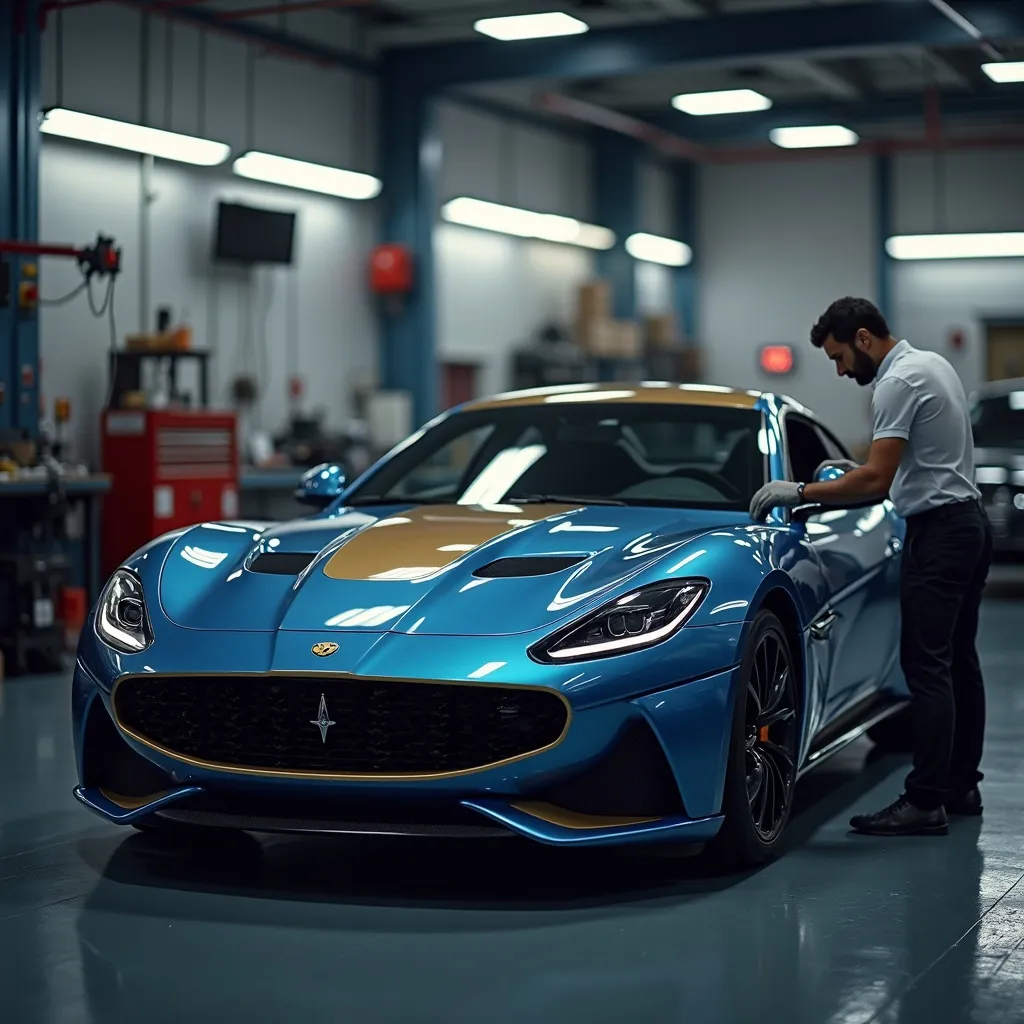
Comprehending Car Wrapping: Perks and Applications
Car covering modifies vehicles into movable canvases, offering both visual allure and practical benefits. This modern process involves covering a vinyl film to a vehicle’s surface, allowing a wide array of colors and designs. One of the major benefits of car wrapping is its ability to safeguard the original paint from scratches, UV rays, and environmental damage, thereby protecting the vehicle's resale value. Additionally, wraps can be removed easily, allowing owners to change designs or restore the vehicle to its original condition without lasting alterations. Businesses often utilize car wraps for advertising purposes, converting their vehicles into noticeable promotional tools that reach a broad audience. In addition, the customization options are virtually limitless, addressing individual preferences and branding needs. Generally, car wrapping serves as an helpful solution for improving visual appeal while offering functional protection.
Different Car Wrap Styles to Investigate
When considering car wraps, various choices are available to fulfill different preferences and needs. Primary factors include vinyl wrap choices, the difference between matte or glossy finishes, and the opportunity for bespoke graphic designs. Each type delivers distinctive aesthetic and practical benefits that can elevate any vehicle's aesthetic.
Vinyl Coating Selections
A selection of vinyl wrap choices is available, each delivering unique visual and practical benefits. Vehicle owners can select from options including solid colors, which offer a clean and uniform look, or patterned wraps that introduce distinctive designs and textures. Moreover, vehicle owners might look into specialty wraps such as carbon fiber, which imitates the appearance of luxury materials, or reflective wraps that boost visibility at night. Custom graphics provide a means for customized expression, allowing businesses to showcase logos or messages efficiently. Each option meets various preferences and objectives, from visual allure to branding possibilities. Choosing the right vinyl wrap involves evaluating the desired impact, durability, and maintenance needs, ensuring a bespoke approach to vehicle transformation.
Matte or Glossy Finishes Explained
When selecting matte or glossy finishes for car wraps, it can dramatically affect the vehicle's overall look. Matte finishes provide a refined and minimalist look, diminishing light and reducing glare. This choice is favored by those wanting a unique, modern look. Nevertheless, matte wraps can be more prone to scratches and might need dedicated cleaning methods to keep their appearance.
By comparison, polished surfaces offer a vibrant, high-shine effect that enhances colors and details, allowing the vehicle to stand out. Glossy wraps are often easier to clean and less susceptible to wear, but they may reflect too much light for some inclinations. Ultimately, the selection between matte and glossy finishes is based on personal preference and desired impact.
Custom Visual Elements Layouts
In the process of searching for custom graphics designs for car wraps, various styles can upgrade a vehicle's identity and charisma. From bold graphics that grab attention to complex motifs that display skill, the options are plentiful. Tailored logos or brand designs are perfect for businesses seeking mobile promotion. Additionally, botanical designs, patterned figures, and drawn visuals cater to wide-ranging interests. Lines and race graphics can give a dynamic look, while old-school aesthetics can offer a traditional vibe. Each option not only expresses unique personality but also serves to attract attention on the road. Ultimately, selecting the right custom graphic makes certain a vehicle stands out in a sea of ordinary cars.
Finding the Best Graphic for Your Car Exterior Wrap
How does one determine the most effective design for a car wrap? Selecting the right design involves considering several key factors. First, the target audience must be identified; a design attractive to young adults may differ markedly from one aimed at corporate clients. Next, brand identity plays an essential role; colors, logos, and themes should align with existing marketing materials to maintain consistency.
In addition, the vehicle's geometry and magnitude can affect design determinations; intricate patterns may not succeed on petite vehicles. It's also necessary to reflect on the communication being relayed; clarity and visual impact are vital, ensuring that the design communicates effectively at a glance.
To summarize, industry trends should be looked at; while originality matters, blending contemporary design can strengthen appeal. By deliberately integrating these elements, one can fashion a noteworthy car wrap visual that pulls attention and connects with viewers.
What Is the Process of Car Wrapping?
Car wrapping involves meticulous preparation and organization. The procedure usually starts with a comprehensive wash of the automobile's surface to ensure that dirt and particles do not hinder with bonding. Next, the design is developed or selected, often using professional software to visualize how the covering will look on the automobile. The material material is then printed, trimmed, and made ready for installation.
Once finished, the installer precisely measures and positions the pieces, guaranteeing a flawless fit. Heat is applied through a heat gun to help the vinyl mold to the car's lines and surfaces. Squeegees work to clear air bubbles and form a strong seal. Finally, the edges are cut and sealed to prevent separation. This detailed procedure results in a gorgeous, attention-grabbing change that can last for several years with regular upkeep.
Preserving Your Car Wrap: Key Tips
Upon completing the car wrapping process, preserving the wrap becomes crucial for safeguarding its aesthetic and durability. Consistent cleaning matters; applying a mild soap solution with water with a soft material stops buildup of grime. It is best to steer clear of machine washing systems, as stiff brushes can harm the wrap. Rather than that, manual washing are recommended to maintain the surface.
Additionally, using a UV protectant can shield the wrap from sun damage, preserving its color and gloss. Storing your vehicle in shaded areas or garages can also decrease exposure to harmful UV rays.
Checking the wrap on a regular basis for any lifting edges or bubbles is important; these should be addressed promptly to stop further damage. Finally, avoiding harsh abrasive substances and chemical cleaners ensures the wrap stays intact and vibrant. By following these key recommendations, automobile proprietors can experience their eye-catching designs for years into the future.
How Much Will Car Wrapping Run You?
Comprehending the financial implications connected to car wrapping is vital for prospective purchasers. Multiple variables determine the final price, including vehicle size, wrap material, and complexity of the design. Generally, the typical price range for car wrapping can change considerably based on these elements.
Elements Affecting Cost
While several factors influence the overall cost of car wrapping, the main components comprise the type of vinyl used, the intricacy of the design, and the size of the vehicle. High-quality vinyl materials are usually more resilient and visually attractive, impacting costs substantially. In addition, complex designs that require advanced techniques, such as custom graphics or multi-color applications, can elevate expenses. The vehicle's size also functions as a crucial role; larger vehicles require more material and labor, resulting in higher prices. Moreover, the installer's skill level can shape costs, as skilled professionals may charge more for their services. Ultimately, understanding these factors supports budgeting for a car wrapping initiative productively.
Average Cost Range
The average cost for auto wrapping varies greatly due to several factors. Generally, prices fall between $2,500 and $5,000 for a full vehicle wrap, depending on the vehicle's size and the complexity of the design. Smaller cars often have a lower price, whereas larger vehicles such as vans or trucks tend to be pricier. Moreover, the material quality is crucial; top-tier vinyl films can increase costs. Labor fees also vary by region and the installers' experience. Simple color modifications may be more budget-friendly than detailed graphics. In the end, potential customers should request several quotes to make sure they pay a reasonable rate for the wrap they want.
Real-Life Examples: Motivating Car Wrap Concepts
Automobile wrap designs have transformed vehicles into artistic showcases, highlighting creativity and brand identity. Plentiful practical examples substantiate the extensive variety of this channel. For example, a local coffee shop incorporated a striking wrap displaying coffee beans and steaming cups, capably bringing in business while advancing its name. Another outstanding example is a sports car finished in a sleek metallic finish, refining its aerodynamic appeal and conferring it a custom look that stands out on the racetrack.
Moreover, an eco-friendly company dressed its delivery van in a natural theme, complete with leaves and earth tones, demonstrating its dedication to environmental protection. These designs not only draw eyes but also convey messages and values relevant to the brands they represent. By integrating striking visuals with successful promotional approaches, car wraps have become a powerful tool for businesses and individuals alike, inspiring others to investigate their own creative possibilities.
Frequently Requested Questions
How long Does a Car Wrap Generally Last?
A car wrap usually lasts from five to seven years, depending on elements like quality of materials, environmental exposure, and maintenance. Adequate maintenance can prolong its duration, ensuring the design remains vibrant and intact.
Can I Cover a Rented Car?
Yes, a leased vehicle can be covered with vinyl, but it's crucial to check the rental contract first. Many rental firms allow wraps, provided they are removed before giving back the car to avoid potential charges.
Does a Car Wrap Damage My Paint?
A car wrap commonly will not damage the paint if applied and removed correctly. However, extended exposure or substandard products may result in issues, making proper application and takeoff vital for maintaining the paint.
How Do I Take Off a Car Wrap?
To take off a car wrap, heat the vinyl with a hairdryer or heat gun, peel back slowly, and use adhesive remover to clear any adhesive residue. Exercising patience guarantees minimal damage to the paint surface underneath.
Do Lawful Limitations Apply for Car Wraps?
Car wrap legal restrictions vary from one location to another. Various areas could enforce rules on format, advertising content, or license plate display. You should check local laws before installing a wrap to guarantee conformity.